What Is the Recovery Like for Dental Implants in Bakersfield CA?
@erickrqcx951
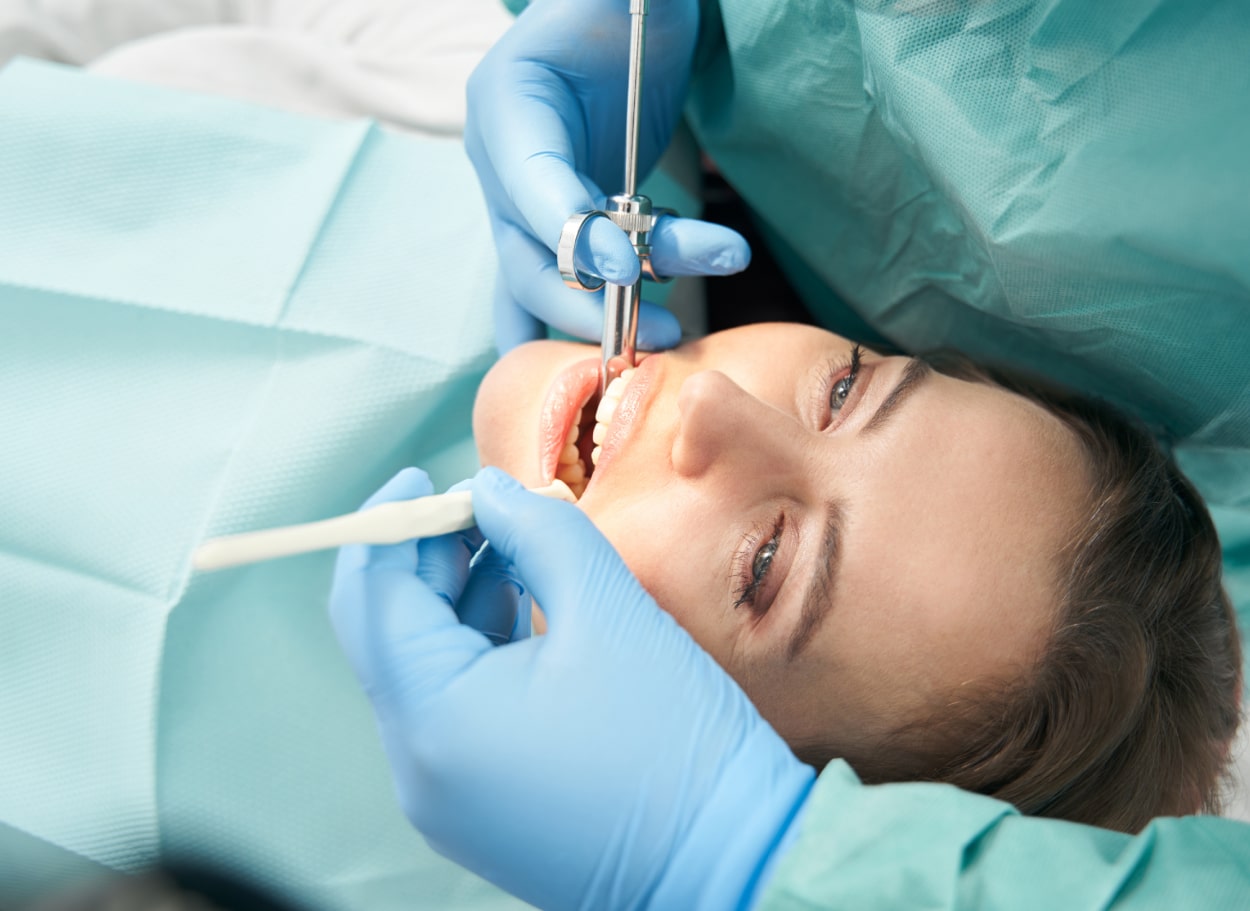

Dental implant recovery is often easier than people expect, but it is not identical for every patient. Some people go back to desk work the next day with little more than mild soreness. Others need several days of lighter activity, especially if they had multiple implants placed, a tooth extraction at the same visit, or a bone graft. The broad pattern is predictable, even if the details vary. There is an initial healing period measured in days, a deeper healing phase measured in weeks, and the final integration of the implant with the bone that can take several months.
For patients researching Dental Implants Bakersfield CA, the question is usually less about whether recovery is possible and more about what daily life will actually feel like. Will you be swollen? Can you talk normally? When can you eat real food again? Will you need time off work? Those are the practical concerns that shape decisions, and they deserve straight answers.
The good news is that implant recovery is usually manageable when the case is well planned and the aftercare instructions are followed closely. The part that tends to surprise people is that the recovery from implant surgery and the full timeline of treatment are not the same thing. You may feel much better in a few days, yet the implant still needs time beneath the surface to bond with your jawbone. That distinction matters.
What you feel right after implant surgery
The first 24 to 72 hours are usually the most eventful. If there is going to be swelling, that is when it tends to peak. Mild bleeding or oozing can happen early on, especially in the first day. Most patients describe the discomfort as soreness, pressure, or tenderness rather than sharp pain. The mouth has a rich blood supply, so healing often moves along efficiently, but that same blood supply can also make the area look dramatic at first. A little swelling can feel bigger than it is.
If you have had a simple implant placement in a healthy site, the experience may be surprisingly uneventful. I have seen patients prepare for a miserable week only to report that it felt easier than a tooth extraction. On the other hand, when an implant is placed immediately after a difficult extraction, especially if infection was present or the tooth had broken below the gum line, the recovery can be more noticeable. Bone grafting adds another layer. It does not always make the pain worse, but it can prolong tenderness and require more caution with chewing and oral hygiene.
Anesthesia and sedation also affect how the day feels. Local anesthetic wears off within a few hours. If sedation was used, the rest of that day is often a blur, and patients should expect to rest rather than jump back into errands. Most people do best when they treat the first day like a recovery day, even if they feel fairly normal by evening.
The first week, when most of the visible healing happens
By day three or four, many patients turn a corner. The area still feels tender, but the swelling starts to settle and chewing becomes easier, at least on the opposite side. Talking is usually fine, though a temporary flipper or healing appliance can take a day or two to get used to. If stitches were placed, they may feel tight or a little annoying against the tongue.
The challenge in this stage is not usually severe pain. It is patience. Patients often feel well enough to test the limits too early. They eat crunchy food, brush aggressively around the site, or resume strenuous exercise before the tissue has settled. That is when avoidable setbacks happen. A tiny surgical site can be disturbed more easily than people think.
A common example is the patient who feels great on day two and decides to go back to a heavy gym routine or a physically demanding outdoor job in the Bakersfield heat. Elevated blood pressure and exertion can increase throbbing and bleeding. Even when nothing serious goes wrong, it can make the recovery feel rougher than it had to.
Bakersfield factors that can influence comfort
Climate may not be the first thing people think about when they look into Dental Implants Bakersfield CA, but it does matter. Bakersfield's dry heat can leave patients a little more dehydrated than they realize, especially if they have been fasting before sedation or taking pain medication afterward. A dry mouth does not cause implant failure by itself, but it can make the mouth feel more irritated and unpleasant during recovery.
People who work outdoors, in agriculture, oil fields, construction, warehousing, or transportation often have another practical issue, dust and physical strain. A patient who spends hours in a hot environment, lifting, bending, or breathing through the mouth all day, may need a more conservative return-to-work plan than someone with a quiet office job. That does not mean implants are a bad option. It just means the recovery plan should fit real life.
If you live in a dry climate and are healing after implant placement, keeping up with fluids, protecting the surgical area, and avoiding overexertion in the first several days can make a real difference in comfort.
The deeper healing phase is less obvious, but more important
Here is where patients often get confused. Once the gums look better and the soreness fades, it is easy to assume the implant is fully healed. In reality, the most important part is still underway. The implant needs to fuse with the jawbone in a process called osseointegration. That bond is what allows the implant to function like a stable tooth root.
This process takes time. In many straightforward cases, the healing period before the final crown is placed is roughly three to six months. Some cases move faster, particularly when bone quality is strong and the implant has excellent initial stability. Other cases take longer, especially when bone grafting is involved, when the implant is in the upper jaw where bone can be softer, or when the patient has health factors that slow healing.
You usually will not feel osseointegration happening. That is why follow-up visits matter. The absence of pain does not tell the whole story, and mild soreness does not automatically mean something is wrong. Dentists rely on exams, imaging, and implant stability checks to determine when the site is ready for the next stage.
What recovery is like with one implant versus several
A single implant in a healthy patient is often straightforward. The surgery is localized, the swelling is modest, and eating can be managed by favoring the other side. With multiple implants, the mouth has more areas to protect, and there may be more swelling, longer appointments, and more fatigue afterward.
The biggest difference is not always pain. It is function. If several teeth are being replaced, or if the implant surgery is part of a larger full-mouth plan, the patient may need to adapt to a temporary prosthesis, a soft-food diet, or short-term speech changes. Those details can be more disruptive than the actual surgical soreness.
Someone replacing one back tooth may only need to avoid that side while chewing. Someone having several implants placed for an arch restoration has a different recovery entirely. That patient may need a very structured diet for weeks, more frequent check-ins, and tighter rules around pressure on the temporary teeth.
Bone grafts can lengthen the timeline, not always the misery
Bone grafting sounds intimidating, and sometimes patients hear the phrase and assume a painful ordeal is ahead. In practice, the experience is often less dramatic than the name suggests. A small graft used to fill a socket or improve the implant site may add only modest soreness. Still, it usually means the biology needs more time.
The key point is that bone grafting can change the treatment calendar. The area may feel fairly comfortable within days, but the graft needs months to mature. If the graft was placed before the implant, there may be a waiting period before implant surgery even begins. If the graft was placed at the same time as the implant, the dentist may still want a slower path before loading the implant with a crown.
That can frustrate patients who are eager to finish. Yet rushing this stage is one of the easiest ways to compromise a result that should last many years.
How diet usually changes during recovery
Food is one of the first things people ask about, and for good reason. Eating too aggressively too soon can turn a smooth recovery into an irritated one. In the beginning, cool and soft foods tend to be easiest. Yogurt, smoothies eaten with a spoon, eggs, mashed potatoes, soups that are not piping hot, oatmeal, cottage cheese, and soft fish are common go-to choices. As soreness improves, the menu can expand.
The important part is not to confuse soft food with no nutrition. Your body heals better when you are eating enough protein, staying hydrated, and not skipping meals because your mouth feels awkward. A lot of patients drift into a beige-food routine of pudding, pasta, and bread. That may be easy to chew, but it is not always the best fuel for tissue repair.
Chewing on the opposite side is usually advised at first if possible. Hard, seedy, sticky, and brittle foods are the ones most likely to cause trouble. Chips, nuts, popcorn, crusty bread, and chewing gum have a way of finding the exact spot they should not.
Pain control is usually simpler than people fear
Most implant cases can be managed with a combination of prescribed medication or over-the-counter options recommended by the dentist. Many patients do well with anti-inflammatory medication if they are medically able to take it. Others need a stronger prescription for a short period, especially after more involved procedures. Ice packs during the first day can help with swelling and comfort.
Pain tends to follow a curve. The numbness wears off, the site becomes sore, the peak is often https://www.google.com/search?sca_esv=cb596a67502e2f5f&rlz=1C1CHBD_enPH1076PH1076&sxsrf=ANbL-n5XOVf7poWZEwttpvY5SD27xrIqrA:1780385731623&kgmid=/g/1tdmvyhz&q=Smyle+Dental+Bakersfield&shem=epsdc,rimspwouoe&shndl=30&source=sh/x/loc/uni/m1/1&kgs=00021d60a9f9e91a&utm_source=epsdc,rimspwouoe,sh/x/loc/uni/m1/1 within the first couple of days, and then things ease gradually. Pain that intensifies sharply after several days instead of improving deserves attention. So does a foul taste, fever, pus, or swelling that keeps escalating rather than settling.
One thing I often tell patients is this, discomfort should be expected, but it should make sense. The pattern matters more than the number. A manageable ache that improves each day is very different from throbbing that gets worse on day five.
Returning to work, exercise, and daily routines
There is no universal answer, because jobs vary so much. A person with a computer-based role may return within a day if they feel up to it. Someone who drives long distances after sedation cannot do that immediately. A patient whose work involves lifting, bending, exposure to heat, or constant talking may need more time.
Most people can resume light normal activity quickly. Strenuous exercise, however, is another matter. Heavy lifting, intense cardio, and contact sports can increase swelling and throbbing early in the recovery. Waiting several days, sometimes longer depending on the extent of surgery, is usually the safer path.
For Bakersfield patients who spend time outdoors, this is where practical judgment matters. Hot weather, dehydration, and physical strain can turn mild post-op soreness into a rough afternoon. Planning surgery before a lighter work period or a couple of quieter days often makes the whole experience easier.
Signs that recovery is on track
Every patient wants reassurance that what they are feeling is normal. While only your treating dentist can evaluate your specific case, a typical healthy recovery often includes the following:
- Mild bleeding or oozing early on, then gradual improvement
- Swelling that peaks within a couple of days and then starts to go down
- Soreness that becomes easier to manage, not harder
- Gums that look less inflamed as the week progresses
- A slow return to normal eating, speaking, and brushing habits
Those are broad patterns, not rules. Some people bruise. Some barely swell. Some are tender longer than expected but heal beautifully. The direction of change is usually more important than the exact day-to-day details.
When to call the dentist sooner rather than later
Patients sometimes hesitate because they do not want to overreact. It is far better to ask a question early than to sit on a problem. Call your dental office if you have bleeding that does not ease with pressure, swelling that suddenly worsens after initially improving, severe pain that is not controlled as expected, signs of infection, a loose temporary restoration, or a feeling that the implant area was traumatized by food or impact.
A loose implant itself is not something patients can always recognize on their own, because what feels mobile may actually be the healing cap or temporary tooth. That is another reason not to self-diagnose. A quick exam can separate a simple fix from a larger concern.
Smoking, diabetes, grinding, and other factors that change recovery
This is where professional judgment matters most. Not every risk factor prevents implants, but several can make healing slower or less predictable.
Smoking remains a major concern because it reduces blood flow and interferes with tissue repair. Patients who smoke often have more post-operative complications and lower long-term success rates. Even a temporary break around the time of surgery can help, though longer cessation is better.
Diabetes is another important variable. Well-controlled diabetes is very different from poorly controlled diabetes. Many patients with stable blood sugar heal well, but they benefit from careful planning and good communication with their dental team.
Teeth grinding can also complicate recovery, especially later when the implant is loaded with a crown. Excessive bite force does not usually ruin the early healing phase overnight, but it can create long-term mechanical stress if it is not addressed. Night guards and bite adjustments matter more than many patients realize.
Medications, autoimmune conditions, prior radiation to the jaw, and poor bone quality can all shift the plan. None of this means the answer is automatically no. It means the treatment should be individualized instead of rushed.
The emotional side of healing is real too
Dental treatment is not only physical. People come into implant surgery carrying years of frustration from broken teeth, failing bridges, loose dentures, or embarrassment about smiling. Recovery can stir up impatience because patients are eager to feel done, to chew confidently, and to stop thinking about the problem.
That emotional piece is often strongest in the middle stage, after the surgery soreness has passed but before the final tooth is delivered. Patients feel mostly normal, but the process is not finished. Temporary restorations may not feel as polished as the final result. Speech may still be adjusting. The mouth is better, but not settled.
Knowing that this phase is part of the process helps. Good implant dentistry is often a lesson in delayed gratification. The timeline can feel slow, yet that slower pace is often what protects the final outcome.
What the final stage feels like
Once the implant has integrated and the final crown, bridge, or denture is connected, there is usually a short adaptation period. Even when the bite is technically correct, the new tooth can feel slightly unfamiliar at first. The brain notices tiny differences in contour and pressure. That usually fades quickly.
This is one of the most satisfying moments in treatment. Patients often describe being able to chew on that side again without guarding it. They smile more easily. They stop thinking about where the gap is. In single-tooth cases, the best result is almost boring, because the implant simply disappears into daily life and functions without drama.
That is the long-term goal of recovery. Not just healing from surgery, but getting back to normal in a way that feels stable and natural.
A realistic expectation for patients considering Dental Implants Bakersfield CA
For most healthy adults, dental implant recovery is very manageable, especially in straightforward cases. Expect a few days of soreness, some swelling, a softer diet for a period of time, and a longer behind-the-scenes healing phase that requires patience. If extractions, grafting, or multiple implants are involved, expect a more layered recovery and a longer overall timeline.
The smartest approach is to judge your case by its actual complexity, not by a friend’s story or an internet shortcut. One implant placed into healthy bone is not the same recovery as full-arch treatment. A non-smoker with excellent oral hygiene and controlled medical conditions is not the same as a patient trying to heal while grinding teeth, smoking, and pushing back to hard labor in two days.
When patients have a clear plan, realistic expectations, and good follow-up, the recovery tends to feel less intimidating than the idea of it. That is often the biggest shift. Before treatment, people imagine the surgery. After treatment, they mostly talk about the waiting, the temporary food restrictions, and then the relief of having a solid tooth again.
If you are exploring Dental Implants Bakersfield CA, the best next step is a case-specific consultation. Recovery is not one-size-fits-all, but it is usually far more workable than people fear, and for many patients, the trade-off is well worth it.
Smyle Dental Bakersfield
2016 E St, Bakersfield, CA 93301, United States
+16614939040
FAQ About Dental Implants Bakersfield CA
What is the downside of a dental implant?
The main downsides of dental implants involve high financial costs, surgical risks, a lengthy healing process, and the potential for long-term complications.
How much does a full set of implants usually cost?
A full set of dental implants (covering both the upper and lower arches) typically ranges from $6,000 to $90,000+, depending heavily on the type of treatment, materials used, and whether the teeth are fixed or removable.
Can I have all my teeth pulled and get implants?
Yes, you can have all your teeth pulled and replaced with dental implants. Instead of placing a separate implant for every single tooth (which is costly and time-consuming), dentists typically use full-arch systems.